
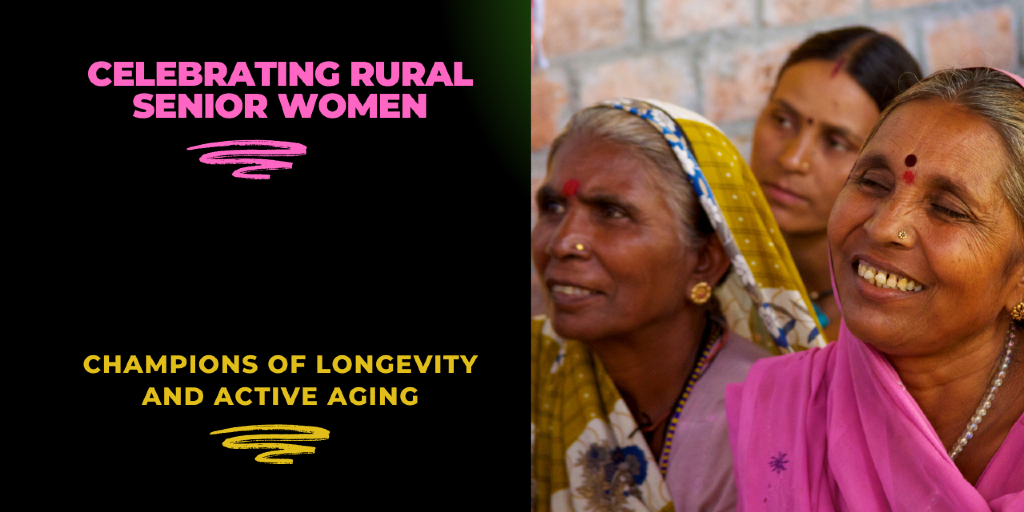
When discussing the underprivileged senior citizens globally, rural senior women often remain overlooked. These women, despite their crucial roles in agriculture, community well-being, and household management, face significant barriers to resources, education, and healthcare. In addition to these challenges, they also face marginalization due to age and gender, which significantly impacts their longevity and quality of life. As the world's life expectancy increases, it's vital that these rural women, particularly senior citizens, are given the support needed for active aging and sustained well-being.
In India, senior women in rural areas form a significant portion of the elderly population. Over 51% of India's elderly live in rural regions, with women comprising a large share of this demographic. According to the 2021 Census of India, nearly 70 million elderly women reside in rural areas. Unfortunately, many of these women face poverty, limited access to healthcare, and poor social security. The literacy rate among rural elderly women is alarmingly low, around 25%, compared to 78% for men. This disparity limits their ability to access crucial information on health, finances, and welfare schemes, further isolating them. Their reliance on agriculture and informal labor leaves them economically vulnerable, impeding their opportunities for active aging.
As we mark the International Day of Rural Women on October 15, it is essential to highlight these unsung heroes. Rural senior women bring decades of resilience and experience, and their contributions are indispensable to their communities. Yet, their roles in increasing life expectancy and fostering community well-being are often overshadowed by the hardships they face.
Challenges Hindering Longevity and Active Aging in Rural Senior Women
Rural senior women encounter a range of challenges that hinder their ability to age actively and enjoy longer, healthier lives:
- Limited Healthcare Access: The scarcity of healthcare facilities in rural areas makes it difficult for senior women to address age-related health issues, compromising their longevity. The absence of timely care affects not only their physical health but also their mental well-being.
- Economic Insecurity: Senior women in rural areas often live in financial insecurity, with minimal pensions or unreliable family support. Their contributions to agriculture and household duties are undervalued, limiting their financial independence and jeopardizing their ability to maintain active aging.
- Social Isolation: Geographic isolation and inadequate transportation result in social exclusion for many rural senior women. This lack of connection contributes to loneliness and can impact their emotional health, stifling their ability to engage in community activities that foster a sense of purpose and belonging.
- Cultural Barriers: Gender norms often force older women to prioritize caregiving over their own health and well-being. This can prevent them from engaging in activities that promote longevity and active aging, keeping them trapped in cycles of self-neglect.
- Low Education and Digital Literacy: With low literacy rates, many rural senior women are unable to access essential information regarding healthcare, financial literacy, and government welfare programs. This lack of education significantly reduces their ability to make informed decisions, further marginalizing them in the pursuit of active aging.
Vayah Vikas: Empowering Rural Senior Women for Active Aging
At Vayah Vikas, we are committed to empowering rural senior women by equipping them with tools and resources to foster longevity and active aging. Through our digital literacy and financial literacy programs, we aim to help these women navigate the modern world, enhancing their independence. By introducing them to digital tools and teaching financial management, we empower rural senior women to take charge of their personal and financial well-being, enabling them to lead longer, more fulfilling lives.
Additionally, we raise awareness about healthcare access and government schemes that benefit rural senior women. By ensuring they are informed about their rights and available welfare programs, Vayah Vikas helps secure their future, promoting active aging and financial stability.
Healthcare remains a critical area of focus for us. We partner with healthcare providers to bring essential services to rural areas through telemedicine, and local health camps. This ensures that rural senior women receive timely healthcare, which is crucial for extending life expectancy and improving the quality of life.
Recognizing the importance of social inclusion, Vayah Vikas also fosters community engagement through local networks and events. These social inclusion programs help rural senior women overcome isolation and provide a platform for mutual support, ultimately contributing to healthier, longer lives through active participation in their communities.
Vayah Vikas plays a pivotal role in advocating for the rights and well-being of senior citizens, including senior rural women, by actively engaging in policy-making and driving reforms at the national level. The organization works closely with the Government of India to ensure that senior citizens are considered in key policies, especially in healthcare and financial inclusion. A significant achievement is their involvement in shaping health insurance policies, advocating for the inclusion of senior citizens under comprehensive coverage. Vayah Vikas's efforts contributed to the development of health claim exchanges by the National Health Authority (NHA) and the Insurance Regulatory and Development Authority of India (IRDAI), ensuring that seniors, including those in rural areas, can access affordable and reliable healthcare insurance. Through its policy advocacy, Vayah Vikas strives to enhance the social security and health outcomes of older adults across India.
Conclusion
As we celebrate the International Day of Rural Women, let us acknowledge the critical contributions of rural senior women and the unique challenges they face in achieving longevity and active aging. Organizations like Vayah Vikas play an essential role in uplifting these women, providing them with access to healthcare, education, social networks, and economic empowerment opportunities.
By addressing the barriers to longevity and promoting active aging, we can ensure that rural senior women live with dignity, health, and happiness. It's time to recognize their vital role in our communities and work towards a future where all senior citizens, regardless of geography or gender, can thrive.