
The Wake-Up Call for Retirees
Imagine Ramesh and Sita, a couple in their late 60s, who have diligently followed conventional retirement planning advice. They spent their working years saving, investing in a house, and ensuring their children received quality education. By the time they retired, they believed they were well-prepared. They felt secure with a steady monthly income from their savings and pensions, a comfortable home, and comprehensive health and life insurance.
However, as years passed, they began to feel the strain. Inflation eroded their purchasing power, medical costs continued to rise, and their fixed income no longer covered their needs as comfortably as before. They also realized that living longer meant more years of expenses they hadn't fully anticipated. Suddenly, the carefully laid plans that seemed so solid were under pressure. Ramesh and Sita's story is not unique; it highlights a growing reality for many retirees who are jolted out of their complacency, realizing that traditional retirement planning is no longer sufficient.
The Need for Longevity Planning and Insights from the World Economic Forum
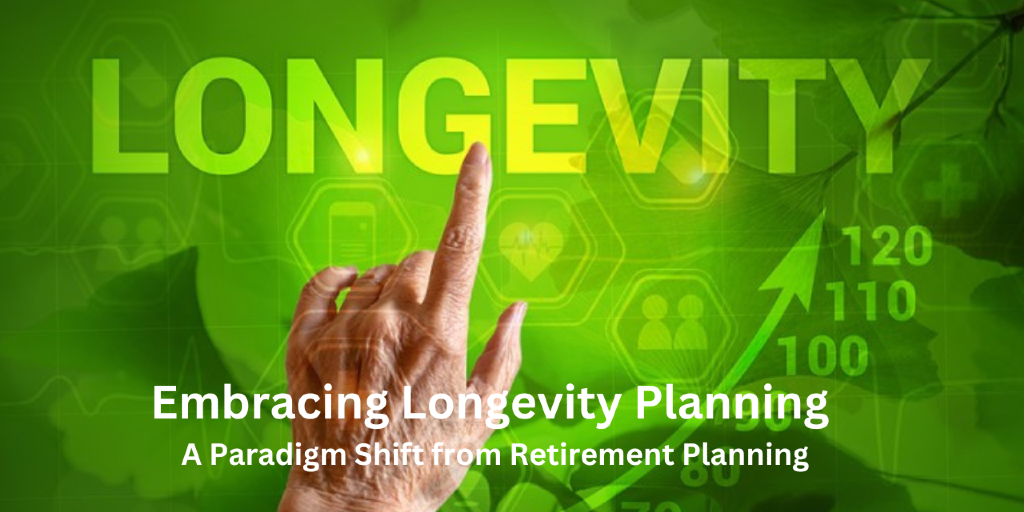
In a world where life expectancy is steadily increasing, the concept of retirement planning is evolving. Traditional retirement planning, which typically begins in one's 40s or 50s and focuses on saving enough money to live comfortably after ceasing to work, is becoming insufficient. The new paradigm is longevity planning, a holistic approach that addresses financial security, health, lifestyle, and personal fulfillment over a longer lifespan. This shift recognizes that individuals may live 20, 30, or even 40 years post-retirement, necessitating a more comprehensive strategy to ensure the quality of life throughout these years.
The World Economic Forum's (WEF) report on longevity emphasizes the global implications of increasing life expectancy. It highlights the need for comprehensive longevity planning that goes beyond financial preparedness to include health, social, and emotional well-being. According to the WEF, traditional retirement models are outdated and insufficient for addressing the challenges posed by extended lifespans. The report advocates for policies and practices supporting lifelong learning, adaptable work environments, and robust social support systems to ensure individuals can thrive throughout their extended years.
When Should Longevity Planning Start?
Longevity planning should ideally start as early as possible. While retirement planning often begins in the middle ages, longevity planning should commence in one's 20s or 30s. Starting early allows individuals to make informed decisions and cultivate habits that will benefit them throughout their lives. Early planning provides a longer horizon for saving, investing, and making lifestyle choices that promote health and well-being.
Key Components of Longevity Planning
- Financial Security:
- Diversified Investments: Beyond traditional retirement accounts, consider diverse investment portfolios that can weather economic fluctuations over decades.
- Emergency Funds: Maintaining a robust emergency fund to cover unexpected health issues or financial downturns is crucial.
- Insurance: Adequate health, life, and long-term care insurance protects against unforeseen expenses and provides peace of mind.
- Health and Wellness:
- Preventive Care: Regular check-ups, screenings, and vaccinations can prevent or catch health issues early.
- Healthy Lifestyle: Incorporating a balanced diet, regular exercise, sufficient sleep, and stress management techniques ensures physical and mental well-being.
- Mental Health: Engaging in activities that stimulate the brain, such as learning new skills, reading, and social interactions, can help maintain cognitive function.
- Personal Fulfillment:
- Continuous Learning: Lifelong learning keeps the mind sharp and opens new opportunities for personal and professional growth.
- Hobbies and Interests: Pursuing hobbies and passions provides joy and purpose, enhancing overall life satisfaction.
- Social Connections: Maintaining strong relationships with family and friends combats loneliness and fosters a sense of belonging.
- Lifestyle Choices:
- Flexible Living Arrangements: Consider housing options that can adapt to changing needs, such as downsizing or moving to communities designed for active seniors.
- Work-Life Balance: Achieving a healthy work-life balance throughout one's career helps avoid burnout and promotes sustained engagement in professional and personal life.
- Retirement Activities: Planning for meaningful activities in retirement, such as volunteering, part-time work, or travel, ensures continued engagement and fulfillment.
The Role of Education and Awareness
Educating individuals about the importance of longevity planning is essential. Financial literacy programs, health workshops, and seminars on personal development can provide the knowledge and tools needed to plan effectively. Employers, educational institutions, and community organizations play a vital role in promoting awareness and providing resources for longevity planning.
In this context, Vayah Vikas is playing a key role in educating senior citizens in financial and digital literacy in alignment with the Memorandum of Understanding (MoU) with the Department of Social Justice and Empowerment (DOSJE), Government of India (GOI). This partnership aims to equip seniors with the skills and knowledge necessary to navigate the complexities of modern financial systems and digital landscapes, ensuring they remain informed and empowered.
Conclusion
Shifting from retirement planning to longevity planning is not just a trend but a necessity in today's world. By starting early and taking a holistic approach, individuals can ensure that they are not only financially secure but also healthy, fulfilled, and adaptable to the changes that come with a longer life span. Embracing longevity planning allows for a proactive and empowered approach to aging, ensuring that the golden years are truly golden.