
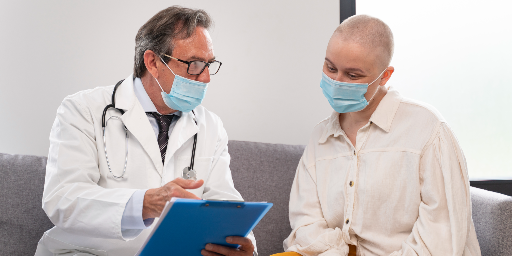
Exercises for Keeping Fit After Breast Cancer Surgery

As October is the Breast Cancer awareness month, I want to discuss the Role of Physiotherapy in Cancer. Many people are not aware how Physiotherapy helps in treatment of Cancers.
“There can be Life after breast cancer. The prerequisite is early detection”- Ann Jillian
Breast Cancer is the most prevalent form of cancer and has become a major problem all across the world including India. It can occur at any age but is most common in women above the age
of 40 and can account for 25% to 31% of all cancers in women.


Women with breast cancer often have treatment with surgery which can include (see picture below):

Breast cancer occurs when breast cells grow out of control and form a tumor in the breast.
Complications after Breast cancer surgery:
Seroma: After surgery, some people may develop a collection of fluid called a seroma. This can occur under the arm and/or in the breast or chest wall and is usually reabsorbed by the body over time.
Haematoma: Occasionally blood collects in the tissues surrounding the wound causing swelling, discomfort and hardness. This is called a haematoma. The blood will eventually be reabsorbed by the body, but this can take a few weeks.
Cording: After surgery, some people develop a tight ‘cord’ of tissue under the skin, causing pain and restricting arm movement. The cord may not be visible but can usually be felt. This cord starts in the armpit and can vary in length. It may just be in the armpit or may travel down to the elbow or wrist. This ‘cording’ is also known as axillary web syndrome. Stretching the cord can improve your symptoms and you may need physiotherapy to help with this.
Wound infection: A wound infection can happen any time until the wound is completely healed. It usually takes about two to three weeks for the skin to heal and around six weeks for any internal stitches to dissolve. Any of the following symptoms could mean you have a wound infection: the wound feels tender, swollen, or warm to touch, redness in the area, discharge (fluid) from the wound, feeling generally unwell with a raised temperature.
Change in sensation: If you have had your lymph nodes removed, you may temporarily experience a change in, or loss of, sensation down the inner side of your upper arm. Some people who have had lymph nodes removed may be left with a degree of permanent numbness or altered sensation in their upper arm. This happens because the nerves under the arm have to be disturbed to reach the lymph nodes that lie behind them.
Scars: All breast surgeries leave some type of scar. Looking at and feeling the scar for the first time can be difficult, and for many women this can take some time. Scar tissue is produced naturally by the body during healing. At first your scar will feel uneven to the touch and may feel tight and tender. At first you may find it uncomfortable to wear a bra or anything that puts pressure on the affected area. As the scars become less sensitive you should be able to wear a comfortable bra.
Wound drains: You can usually bathe and shower normally following surgery (if you have a waterproof dressing covering the wound), but it’s advisable not to use any soaps or deodorant products on or around the area of your wound.
Post- surgery issues that can be successfully treated with physiotherapy:
- Reduced range of motion
No matter what type of surgery you have, it is important to do exercises to get the arm and shoulder moving again. Exercises help to decrease side effects of your surgery and help you get
back to your usual activities.
If you had radiation therapy after surgery, exercises are even more important to help keep your arm and shoulder flexible. Radiation may affect your arm and shoulder after treatment is
finished. Because of this, it is important to develop a regular habit of doing exercises to maintain arm and shoulder mobility after radiation treatments for breast cancer. It is very important
that early rehabilitation is implemented to promote functional movement to the patient’s previous level of activity.
- Lymphedema
All women who undergo breast cancer surgery are at risk of developing lymphedema, which may not appear until months or even years post-surgery. Risk is higher for women who have
undergone a full axillary lymph node dissection.Radiation treatment may also cause, or if already present, exacerbate lymphedema. Pain, loss of range of motion and strength in the upper
extremity, as well as impaired function, are common effects of lymphedema.
To know more about lymphedema visit: https://www.cancer.gov/about-cancer/treatment/side-effects/lymphedema/lymphedema-pdq
As exercise has shown to be a safe and essential part of lymphedema management, physiotherapy can play a meaningful role in prevention and treatment.
- Bone Loss
The rate and magnitude of bone loss caused by cancer treatment is significantly higher than age-related bone loss in the non-cancer population.
As within the general population, initial management for decreased bone density includes education on the benefits of a lifestyle that includes, among other interventions, regular weight-
bearing exercise. Physiotherapists can confidently advise these individuals on safe exercise options to maximize bone integrity.
- Upper Extremity Dysfunction
Decreased range of motion, rotator cuff strain, adhesive capsulitis, paraesthesia and weakness are all common developments in the upper extremity, post breast cancer surgery or radiation
therapy. Whether appearing independently or in combination, these impairments can severely impact activities of daily living and employment, resulting in functional disability and a
decreased quality of life.
Physiotherapy has been shown to be effective in managing post-surgical musculoskeletal symptoms.Early Rehabilitation has shown to result in clinically meaningful improvements in
shoulder range of motion.
- Fatigue
It is a frequently reported yet poorly managed symptom reported by cancer patients. It is a complex symptom with various overlapping causes, some of which include anaemia, pain, sleep
disturbance, thyroid dysfunction, and mood disorders.
Physiotherapists can help their cancer patients manage fatigue through a focused history screening to determine the main contributors ,by teaching the importance of planning and pacing
their day, by designing a graduated exercise program to increase strength and energy levels.
- Pain
Another complex symptom with multiple causes reported by cancer patients is pain, often requiring a multi-disciplinary approach to management. A Physiotherapist’s role in pain
management comes in the form of exercise prescription and treating lymphedema both of which have been shown to be effective treatments for pain.
Reasons to exercise after breast surgery:
- Helps you regain arm and shoulder movement after surgery for breast cancer. Muscles seize up very quickly if they’re not used, so it’s important to do these exercises as part of your daily routine.
- Improves symptoms that may be caused by tight scars and cording, when you feel as if you have a tight cord running down your affected arm
- Prevents long-term problems with arm and shoulder movement, posture and stiffness
- Reduces the risk of lymphedema – swelling of the arm, hand, breast or chest area caused by a build-up of lymph fluid.
Remember everyone is different and heals at their own pace!
Who needs these exercises?
The exercises are suitable for people who have had breast surgery, lymph node removal, and radiotherapy.
When to start the exercises?
Ideally, start the exercises the day after your surgery. If you feel you are unable to start the exercises within a couple of days of your surgery, speak to your Surgeon or Physiotherapist. Don’t
worry if you cannot manage to do all the exercises every time. For example, during radiotherapy you may find the exercises more difficult. Do as much as you feel you can.
How should the exercises feel?
Exercises should be pain free. However, a stretching or pulling sensation is normal. The more you do the exercises, the easier they should become. Always do the warm-up at the start and
the cool-down at the end of each session to help avoid injury and prevent stiffness.
CAUTION – Stop the exercises and speak to your surgeon, physiotherapist, or breast care nurse, if you have any of the following:
- A seroma (a collection of fluid under the arm or in the breast or chest wall)
- Wound infection or healing problems
- Pain that gets worse during these exercises or continues once you’ve finished them.
Start the exercises again when your Surgeon, Physiotherapist or breast care nurse says it is safe to do so.
How long to continue the exercises?
If you recently had the surgery, keep doing the exercises until you have got back the range of movement you had before your operation. Continue doing the exercises if you are going to
have radiotherapy as they will help your shoulder flexibility. If you have had radiotherapy, it is a good idea to do the exercises for as long as you are still feeling tightness and stiffness. Arm
stiffness and weakness can occur long after surgery and radiotherapy so you may want to continue doing the exercises after this. Talk to your breast care nurse or Physiotherapist if you’re
not sure how long to keep up the exercise programme or if you have any concerns about your recovery.
Exercises:
- Repeat each exercise 5 times before moving on to the next one.
- Try to do the exercises 3 times a day – morning, around midday and evening


Second stage of healing - 6 weeks after surgery:
As you feel stronger, you can slowly start doing strengthening and general conditioning exercises. For some women this means getting back to their old exercise routine, but for others
it may mean trying out new activities. Before starting new exercises, it is important to consult your doctor first.
Strengthening:
Slowly getting back to household chores are some ways you can keep building your strength.Within 4 to 6 weeks after surgery you can start doing your strengthening exercises with
light weights. By using light weights, I don’t mean using dumb bells, you can use a water-filled plastic bottle starting with 500 ml and progressing to 1 litre bottle.
It is important to build up slowly. If you do not exercise for several days, reduce the amount of weights slightly and build up again.
General conditioning:
Regular aerobic exercise, which is any exercise that gets your heart and lungs working hard, improves your general physical condition and has many benefits. Brisk walking, swimming,
running, cycling and dancing are all examples of aerobic exercises.
It can:
- Help improve your cardiovascular fitness - how well your heart, lungs and blood vessels bring oxygen to your muscles- so that you can do physical work for longer periods of time.
- Help you maintain a healthy body weight,
- Help you feel better, which may reduce stress and anxiety
- Help you to face the challenges of life after cancer.
“Once you choose hope, anything is possible”-Christopher Reeve
Keep Going,
Stay Fit, Stay Strong
SOURCES:
2. https://www.cancer.org/cancer/breast-cancer/treatment/surgery-for-breast-cancer/exercises-after-breast-cancer-s rgery.html
BY DR.KIRAN ANIL PALANDE
CARDIOPULMONARY PHYSIOTHERAPIST