
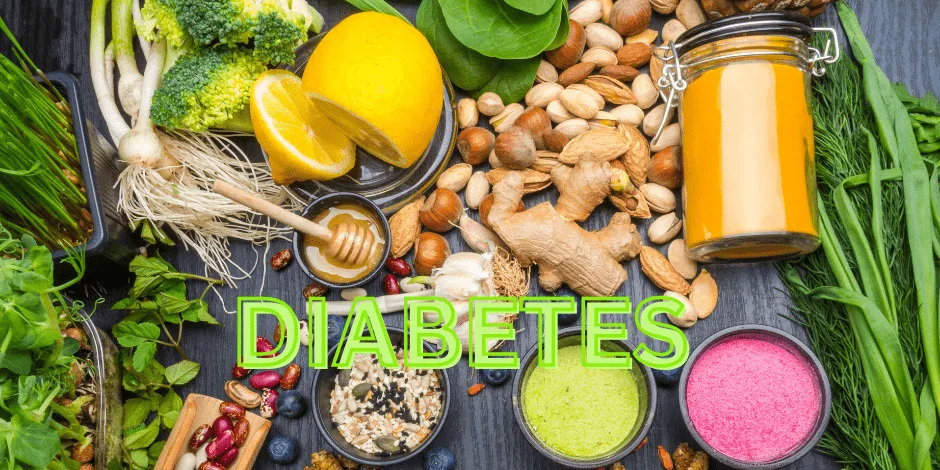
HOW TO MANAGE DIABETES WITH THE CORRECT DIET
Being a diabetic is not easy, you are hemmed in by restrictions on the food you can eat. Often you have to give up food that you like. But the consequences of not adhering to a diet can sometimes be dire. A diabetes diet simply means eating the healthiest foods in moderate amounts and sticking to regular meals three time a day, that will aid in controlling your blood sugar. This helps you better use the insulin that your body produces or gets through a medication.
Extra calories create spike in blood glucose
When you eat extra calories and fat, your body creates an undesirable rise in blood glucose. If blood glucose isn't kept in check, it can lead to serious problems, such as a high blood glucose level (hyperglycemia) that, if persistent, may lead to long-term complications, such as nerve, kidney and heart damage. You can help keep your blood glucose level in a safe range by making healthy food choices and tracking your eating habits.
You should have a healthy-eating plan that's naturally rich in nutrients and low in fat and calories. Key elements are fruits, vegetables and whole grains. In fact, a diabetes diet is the best eating plan for most everyone.
3 ESSENTIAL AREAS OF A DIABETIC DIET:
1. Portion Size:
Recommended Dietary Allowances of an Indian diabetic normal person will be 1800 kcal per day. Carbohydrate requirement is around 50-55% of the total prescribed calorie, protein requirement. Protein requirements vary between 1 to 1.2 gm per kg of an individual’s body weight (i.e. portion size resembles a small pack of cards). Eventually, fat provides the remaining calorie requirement.
2. Type of Food:
Carbohydrate: Do not eat simple carbohydrates as they do not contain any fibre and the body absorbs them quickly leading to a spike in blood sugar level. Such as:
· Sugar, honey, jaggery, sweets, chocolates, muffins
· Fruit juice, carbonated beverages
· Plain rice, maida, sabudana or tapioca, etc.
Eat complex carbohydrates as they are fibre-rich, and since digestion and absorption period are longer than usual, they should be eaten:
· Wheat, wheat bread, wheat noodles, wheat pasta
· Fruits with skin and pulp
· Rice with vegetables
· Salads, any kind of vegetables
Protein: Eat good quality and quantity of protein.
Non vegetarian: It is advised to have a sizable portion of 1st class of protein, like egg, fish, chicken, lean meat.
Vegetarian: A vegetarian plate must have protein from plant and dairy sources such as broccoli, home-made paneer, low-fat cheese, different pulses and legumes, soybeans, mushrooms, tofu, etc.
Fat: Healthier fat eases your blood flow.
Good fats such as Omega 3 and 6 should be consumed as they are good for the body and are low in cholesterol and are trans fat-free. A life-long fit-tip would be cut down on using oils in general for cooking, instead, try to grill steam or bake foods. Natural sources for these are
· Daily cooking oil (rice bran oil, sunflower oil, sesame oil, canola oil, soya oil, corn oil, olive oil, flaxseed oil, unsalted nuts, seeds, avocados, fatty fish, etc.)
In contrast, “bad” or saturated fats increase the amount of bad cholesterol in the blood, thereby causing heart ailments and arterial blockage. Found primarily in:
· Animal products and processed foods like red and processed meat,
· Ghee, butter, ‘vanaspati’, mayonnaise
· Biscuits, cakes, pies, and pastries.
3. Meal Frequency and Time:
Your daily food intake should be spread across 3 major meals per day (breakfast, lunch, and dinner) and 3 healthy snacks in-between meals to resist the urge to satiate your hunger. A bed-time snack helps a diabetic patient to overcome mid-night or early morning hypoglycemia.
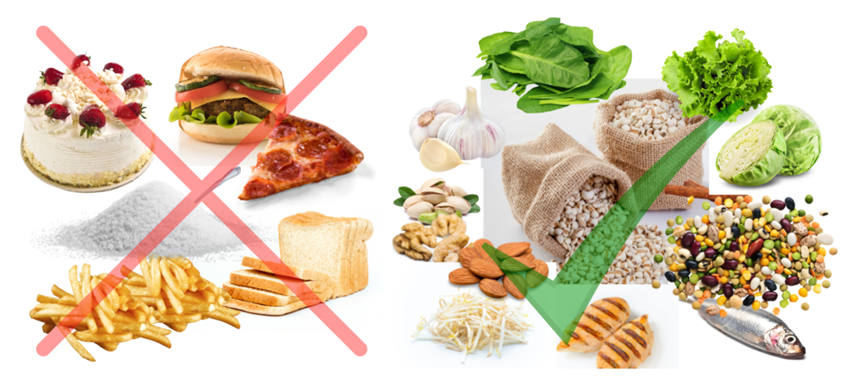
Magical Foods to Control Diabetes:
· Whole grains: Whole grains or cereals are an amazing substitute for refined grains in our diet; it reduces the risk of diabetes mellitus.
· Brown rice, bulgur wheat, buckwheat, oats, millet, quinoa, and barley all are useful brown cereals and recommended for diabetic patients. Further, Beta-glucans in oats and barley prevent blood glucose levels from increasing after the intake of food.
· Green leafy vegetables: have loads of nutrients that provides us energy while are surprisingly low in calories. It is recommended to eat raw vegetables as a bowl of salad (avoid any mayonnaise dressing) at the beginning of meals since cooking vegetables can destroy certain phytochemicals.
· Nuts: Almonds, Pistachios and Walnuts
· Garlic: Consume raw garlic or add it while cooking foods or sprinkle garlic supplements available in the market to spice up their diet and snacks.
· Cinnamon
· Beans: Beans contain a healthy dose of fibre, nutrients, and protein keeping us full for a longer time and reducing our carbohydrate intake. Beans that have a low glycaemic index are soybean, kidney beans and chickpeas are an excellent source of vegetable protein.
· Fatty Fish: Salmon, herring, sardines, and mackerel are different types of fatty fish rich in omega-3 fatty acids. Fatty fish is also loaded with proteins, making us feel full for a long time and reducing our carbohydrate intake.

Foods Which Are Red Flags and Should Be Avoided by Diabetic Patients:
1. Sugar or sugar-mixed variants:
· Refined sugar
· Aerated, carbonated drinks loaded with sugar
· Sweetened high-fat yoghurt
· Sweets, cakes, biscuits
· Fruit juices
2. High calorific content:
· Deep fried foods
· White bread and White rice
· Refined flour (Maida)
· Dried fruits
· Packaged snacks
- Contain excessive preservatives:
· Processed meat
· Red meat
· Canned foods
· Ready-to-eat food meal packages
· Zero calorie or low calorie labelled products
Unaided diabetes increases the risk of suffering from several issues and uncontrolled diabetes can sometimes be fatal. However, well balanced meals can reduce the extreme risks of diabetes. Remember this therapeutic warning for diabetes – following a diet regime cannot replace the medicine dose or reverse the sugar imbalance disorder completely. However, a monitored diet plan will always complement any prescribed medicines.
- Edited and compiled by Anita Natu
Sources:
https://www.narayanahealth.org/blog/foods-to-help-control-diabetes/
https://www.mayoclinic.org/diseases-conditions/diabetes/in-depth/diabetes-diet/art-20044295