
As people grow older, the body’s resilience gradually changes, making older adults more susceptible to infections, chronic illnesses, and complications that may require hospital care. However, many of these health issues can be prevented or managed early through a proactive approach to healthcare. Preventive care focuses on maintaining health, identifying risks early, and reducing the need for emergency medical intervention.
Regular Health Screenings
Routine medical check-ups help detect conditions such as hypertension, diabetes, osteoporosis, and heart disease at an early stage. Early diagnosis allows for timely treatment and lifestyle adjustments, often preventing complications that lead to hospitalisation.
Vaccination
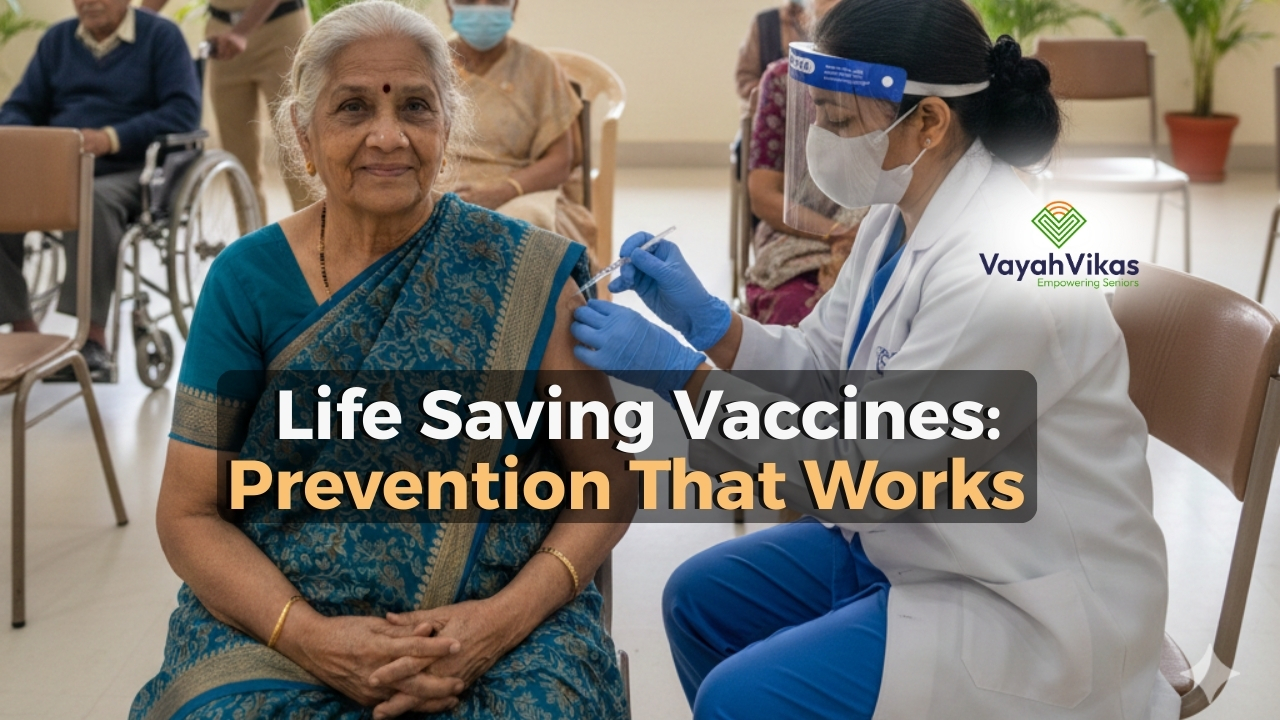
Immunisation remains one of the simplest and most effective preventive measures for seniors. As immunity weakens with age, vaccines help protect against infections that can otherwise cause severe illness.
Four vaccines are particularly important:
• Influenza (Flu) Vaccine: An annual vaccine that protects against seasonal flu and reduces the risk of serious respiratory complications.
• Pneumonia Vaccine: Protects against pneumococcal infections that can lead to pneumonia, bloodstream infections, and meningitis.
• Shingles Vaccine: Prevents shingles and reduces the risk of long-lasting nerve pain caused by the reactivation of the chickenpox virus.
• Tetanus Booster: Ensures continued protection against tetanus infections that can occur through cuts or injuries.
Management of Chronic Conditions
Many hospital admissions among seniors are linked to poorly managed chronic conditions such as diabetes, heart disease, or arthritis. Regular monitoring, adherence to medication, and periodic consultations with healthcare providers help keep these conditions under control.
Nutrition and Hydration
A balanced diet rich in essential nutrients supports immunity, bone strength, and overall vitality. Adequate hydration is equally important, as dehydration can often lead to complications that require medical attention.
Physical Activity and Mobility
Regular movement, whether through walking, stretching, or light exercise, helps maintain strength, balance, and cardiovascular health. Staying physically active also reduces the risk of falls and improves overall well-being.
Mental and Social Well-being
Loneliness and cognitive decline can affect physical health. Staying socially engaged, mentally active, and connected with family and community plays an important role in maintaining emotional and cognitive health.
Fall Prevention and Home Safety
Simple changes at home, such as good lighting, handrails, non-slip flooring, and assistive devices, can significantly reduce the risk of falls, which are a common cause of hospitalisation in older adults.
Preventive healthcare is ultimately about shifting the focus from reacting to illness to sustaining health and independence. Through regular screenings, vaccination, healthy habits, and supportive environments, seniors can reduce hospital visits and enjoy healthier, more active lives.
Call to Action
Vayah Vikas regularly conducts online and offline workshops, webinars, and health camps to spread awareness about preventive healthcare for seniors. These initiatives aim to make expert consultation more accessible and bring convenient, affordable healthcare services closer to the community. If you would like to know more contact 9513300821.