
India has a long-standing tradition of family-based care for elders, deeply rooted in its cultural ethos of respect and reverence for the elderly. For generations, joint families have provided a strong support system where seniors lived with their children and grandchildren, receiving care and respect. However, these traditional structures are rapidly changing with the advent of modernization and the rise of nuclear families. Increasingly, personal and professional commitments force children to move away for work, leading to the abandonment and helplessness of many elders. Tragically, this shift has also seen an increase in elder abuse, with some children selfishly mistreating their parents, often after securing their property.
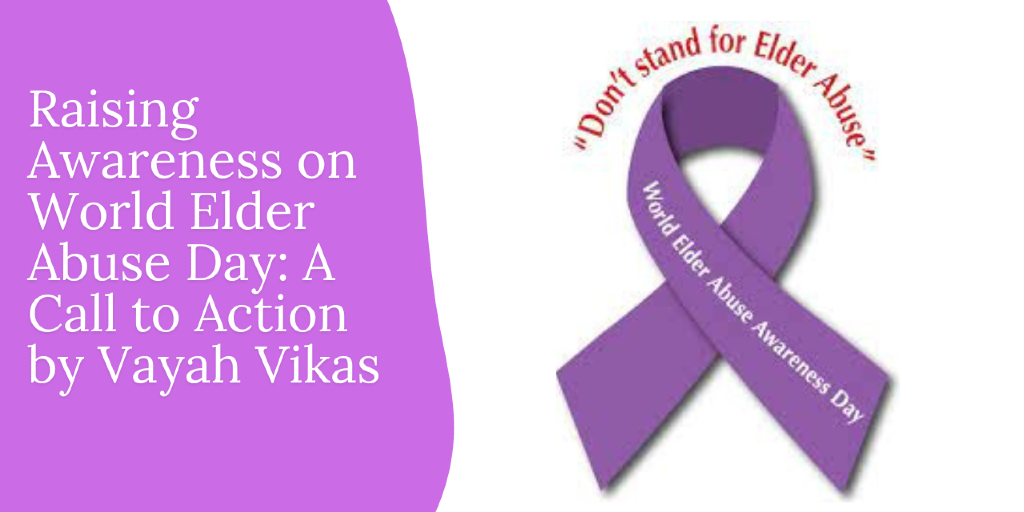
Every year, on June 15th, World Elder Abuse Awareness Day (WEAAD) provides an opportunity to focus global attention on the plight of older adults who experience various forms of abuse and neglect. As an advocate of senior welfare, Vayah Vikas stands at the forefront of this crucial issue, aiming to shed light on the multifaceted nature of elder abuse, its devastating impacts, and the importance of collective action to empower and protect our seniors.
Understanding Elder Abuse
Elder abuse encompasses a range of harmful behaviors directed at senior citizens, often perpetrated by someone they trust. It can take many forms, each with its own insidious effects:
- Physical Abuse: The use of physical force resulting in pain, injury, or impairment. This includes hitting, slapping, pushing, or inappropriate use of restraints.
- Emotional Abuse: Inflicting mental pain, anguish, or distress through verbal or non-verbal acts. This may involve intimidation, threats, humiliation, or isolation.
- Financial Abuse: The illegal or improper use of an elder's funds, property, or assets. This can range from simple theft to complex schemes involving coercion and fraud.
- Neglect: The failure to provide necessary care, assistance, or protection. Neglect can be intentional or unintentional, often leading to serious health and safety risks.
- Sexual Abuse: Non-consensual sexual contact of any kind with an elder. This can include unwanted touching, assault, or coerced nudity.
- Abandonment: Desertion of a vulnerable elder by anyone who has assumed responsibility for care or custody.
How Widespread is This Problem?
Elder abuse is a pervasive issue, affecting millions of seniors worldwide. Studies indicate that approximately 1 in 6 senior citizens experienced some form of abuse in the past year, a figure likely underestimated due to underreporting. Factors contributing to underreporting include fear of retaliation, dependence on the abuser, and feelings of shame or guilt.
The impacts of elder abuse are profound, extending beyond physical injuries to include severe psychological trauma, social isolation, and financial ruin. For many seniors, the effects of abuse are compounded by pre-existing health conditions, making recovery challenging and further diminishing their quality of life.
Empowering Seniors Through Collective Action
Addressing elder abuse requires a concerted effort from individuals, communities, organizations, and governments. As a forum dedicated to the welfare of seniors, Vayah Vikas emphasizes the following strategies to empower older adults and combat abuse:
- Raising Awareness: Public education campaigns are crucial in recognizing the signs of elder abuse and understanding its ramifications. Increased awareness can lead to greater vigilance and timely intervention.
- Strengthening Support Systems: Building robust support networks for seniors, including family, friends, healthcare providers, and community resources, can provide a safety net that deters potential abusers and offers immediate help when needed.
- Promoting Legal Protections: Advocating for stronger laws and policies that protect the rights of older adults is essential. This includes stricter penalties for abusers and better enforcement of existing regulations.
- Encouraging Reporting: Creating safe, accessible channels for reporting abuse is vital. This can involve confidential hotlines, community outreach programs, and partnerships with law enforcement.
- Providing Resources and Training: Equipping caregivers and professionals with the tools and knowledge to identify and respond to elder abuse is a critical preventative measure. Training programs can enhance their ability to support and protect vulnerable seniors.
- Fostering Community Engagement: Encouraging community involvement in elder care can reduce isolation and provide additional layers of oversight. Volunteer programs, senior centers, and intergenerational activities foster connections and offer regular check-ins.
Moving Forward
On this World Elder Abuse Awareness Day, Vayah Vikas calls upon everyone to take a stand against elder abuse. By coming together as a community, we can create an environment where seniors are valued, respected, and protected. Empowering our elders is not just a responsibility; it is a testament to our collective humanity and commitment to ensuring that every individual can age with dignity and security.
Initiatives by Vayah Vikas
In our commitment to empowering elders, Vayah Vikas has launched several initiatives designed to enhance the well-being and autonomy of senior citizens. Our comprehensive programs include:
- Digital Literacy Program: Helping seniors navigate the digital world confidently, enabling them to stay connected and informed.
- Financial Literacy Program: Educating elders on managing finances, recognizing financial abuse, and securing their assets.
- Will Writing and Succession Planning Program: Assisting seniors in making informed decisions about their estates, ensuring their wishes are respected, and reducing the risk of disputes.
- Maintenance Law Awareness Programs: Informing seniors about their legal rights and the protections available under the Maintenance and Welfare of Parents and Senior Citizens Act.
- Senior Citizens Schemes Awareness Programs: Providing information on government schemes and benefits available to seniors to enhance their quality of life.
These programs are delivered through both online and offline training sessions led by experts in the field, under the aegis of the Ministry of Social Justice and Empowerment, Government of India, through a Memorandum of Understanding (MoU).
By undertaking these initiatives, Vayah Vikas not only addresses the immediate needs of elders but also aligns with the United Nations Sustainable Development Goals (SDGs), particularly Goal 3 (Good Health and Well-Being), Goal 10 (Reduced Inequalities), and Goal 16 (Peace, Justice, and Strong Institutions). Our efforts contribute to creating a more inclusive, equitable, and just society for all.
The importance of these initiatives is underscored by projections that by 2050, over 2.1 billion people will be aged over 60. According to the World Economic Forum's "Longevity Economy Principles: The Foundation for a Financially Resilient Future" (Insight Report, January 2024), multistakeholder collaboration is essential for building a sustainable and equitable longevity economy. Our programs are a step towards this collaborative effort, ensuring that seniors are not left behind but are empowered to live fulfilling, secure, and dignified lives.
Join us in this mission to make the world a safer place for our elders. Together, we can turn awareness into action and transform the lives of seniors for the better. To become a member of Vayah Vikas visit our website https://www.vayah-vikas.org/ or call 9513300821.
References:
https://www.un.org/en/observances/elder-abuse-awareness-day
https://www3.weforum.org/docs/WEF_Longevity_Economy_Principles_2024.pdf