
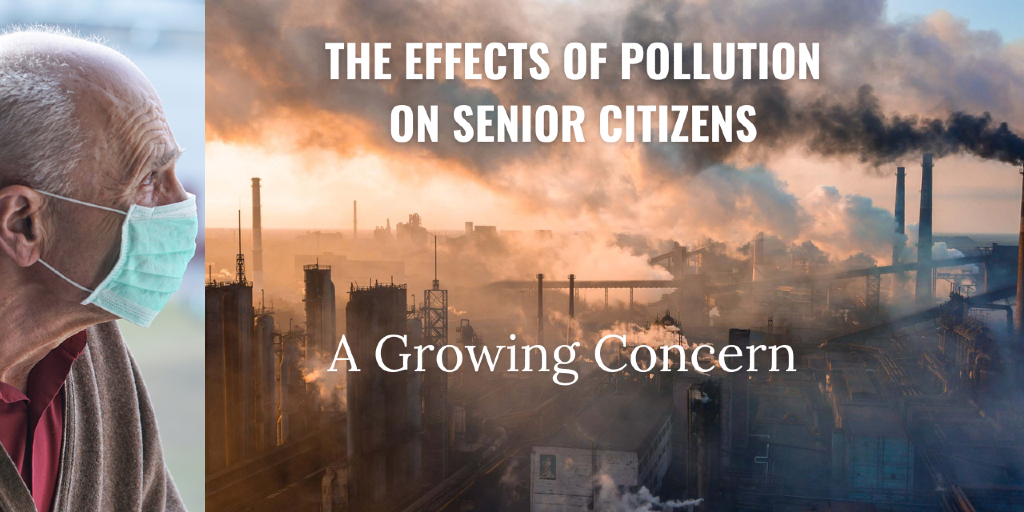
Pollution has become an unavoidable reality in today’s world, with its impacts extending across all age groups. However, senior citizens are among the most vulnerable to the adverse effects of pollution due to their declining immunity, pre-existing health conditions, and reduced resilience to environmental stressors. Understanding how pollution affects the elderly is crucial for safeguarding their health and well-being.
Air Pollution: A Silent Threat
Air pollution, one of the most pervasive environmental issues, poses significant health risks to seniors. Fine particulate matter (PM2.5), nitrogen oxides, sulfur dioxide, and carbon monoxide from vehicles, industries, and other sources infiltrate the respiratory system. For older adults, this can exacerbate conditions such as:
- Chronic Obstructive Pulmonary Disease (COPD): Pollutants can worsen symptoms like breathlessness and frequent lung infections.
- Cardiovascular Issues: Exposure to polluted air increases the risk of heart attacks, strokes, and hypertension.
- Neurological Problems: Studies have linked prolonged exposure to air pollution with an increased risk of dementia and cognitive decline in the elderly.
Water Pollution and Its Impact
Access to clean water is essential for maintaining good health, yet water pollution remains a pressing concern. Contaminated water can lead to severe health issues, particularly in seniors:
- Gastrointestinal Infections: Pathogens in polluted water can cause diarrhea, cholera, and other infections, which can be life-threatening for older adults with weakened immune systems.
- Toxic Exposure: Long-term consumption of water with heavy metals such as lead or arsenic may lead to kidney damage and neurological disorders.
Noise Pollution and Mental Health
Noise pollution, often overlooked, significantly impacts the mental and physical health of senior citizens. Constant exposure to high-decibel noise from traffic, construction, or industrial activities can result in:
- Sleep Disturbances: Poor sleep exacerbates fatigue and weakens the immune system.
- Hearing Loss: Seniors are already prone to hearing issues, and prolonged noise exposure accelerates this decline.
- Stress and Anxiety: Persistent noise disrupts peace of mind, increasing the risk of anxiety, depression, and even cardiovascular stress.
Soil Pollution: A Hidden Danger
Soil contamination, though less apparent, indirectly affects senior citizens. Crops grown in polluted soil can contain harmful chemicals, leading to:
- Nutritional Deficiency: Reduced quality of food affects the nutrition seniors require for maintaining health.
- Chronic Diseases: Consuming food with toxic residues can contribute to long-term health problems like cancer and organ damage.
Climate Change and Senior Citizens
Global warming and associated environmental changes further exacerbate the impact of pollution. Heatwaves, worsening air quality, and erratic weather patterns pose unique challenges for the elderly, leading to:
- Heat-Related Illnesses: Seniors are less able to regulate their body temperature, making them susceptible to heat exhaustion and heat stroke.
- Respiratory Distress: Rising temperatures amplify ozone pollution, aggravating respiratory diseases.
Strategies to Mitigate Pollution’s Impact on Seniors
While pollution cannot be entirely eliminated, steps can be taken to reduce its impact on senior citizens:
- Health Monitoring: Regular health check-ups and timely management of chronic conditions can mitigate risks.
- Indoor Air Quality: Using air purifiers and keeping homes well-ventilated reduces exposure to outdoor pollutants.
- Safe Drinking Water: Installing water filters and ensuring clean water supply minimizes exposure to contaminants.
- Community Awareness: Educating seniors about pollution risks and protective measures, like wearing masks and staying indoors during peak pollution hours, can empower them to safeguard their health.
- Policy Advocacy: Advocating for stricter pollution control measures and senior-friendly urban planning is essential.
Conclusion
Pollution is not just an environmental issue; it is a public health crisis that disproportionately affects vulnerable populations, especially senior citizens. By recognizing the specific risks faced by the elderly and implementing targeted interventions, society can ensure healthier and more dignified aging. Pollution control must become a collective priority to protect the well-being of our senior citizens, who are the custodians of our heritage and wisdom.
Vayah Vikas remains committed to addressing senior citizens' health concerns, advocating for clean environments, and providing resources to mitigate pollution's impact on their lives. Never Stop Growing—not even in the face of challenges like pollution.