
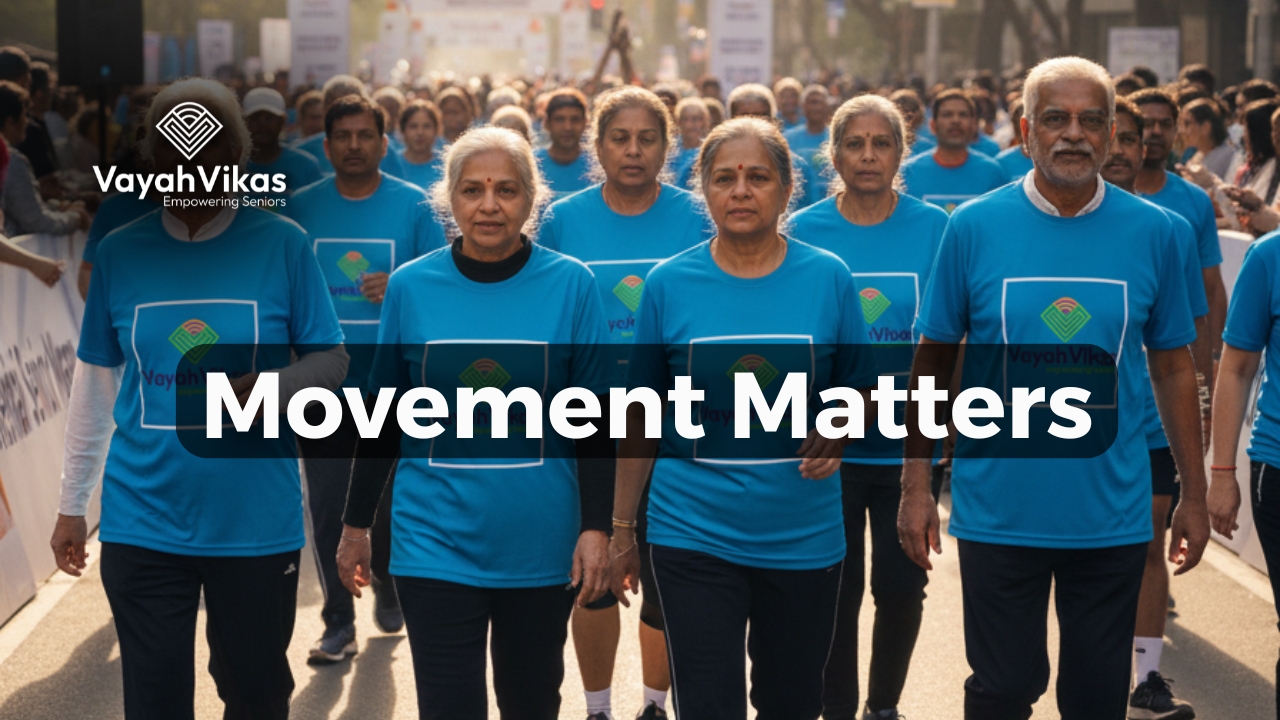
Ageing is often associated with slowing down, but staying physically active after 60 is one of the most effective ways to protect health, independence, and quality of life. Physical activity does not need to be strenuous or competitive. What matters most is regular movement that feels safe, enjoyable, and sustainable.
For older adults, physical activity is not about pushing limits. It is about preserving function, confidence, and wellbeing in everyday life.
Maintaining Independence and Confidence
One of the biggest concerns for seniors is the loss of independence. Simple daily activities such as walking, climbing stairs, carrying groceries, or getting up from a chair rely on muscle strength, balance, and coordination.
Regular physical activity helps maintain these abilities. Even light exercises like walking, stretching, or gentle strength training can improve mobility and stability. When seniors feel confident in their movement, they are more likely to remain independent, active, and socially engaged.
Staying active also reduces the fear of falling, which often leads to inactivity and further decline. Movement builds trust in one’s body.
Strengthening Muscles and Bones
After the age of 60, muscle mass and bone density naturally decline. This can increase the risk of falls, fractures, and longer recovery times.
Physical activity slows this process. Weight-bearing activities such as walking, climbing stairs, or light resistance exercises help maintain bone strength. Muscle-strengthening exercises support posture, balance, and overall physical resilience.
Strong muscles and bones are essential not just for fitness, but for safety and confidence in daily life.
Supporting Heart and Lung Health
Cardiovascular health becomes increasingly important with age. Regular physical activity improves circulation, strengthens the heart, and supports lung function.
Simple activities such as brisk walking, cycling, or swimming can help manage blood pressure, cholesterol levels, and blood sugar. These benefits play a key role in reducing the risk of heart disease and stroke.
Consistent movement, even at a moderate pace, can significantly improve long-term heart health.
Improving Joint Health and Flexibility
Many seniors experience joint stiffness, reduced flexibility, or discomfort due to arthritis or age-related wear and tear. While rest may feel helpful in the short term, prolonged inactivity often worsens stiffness and pain.
Gentle movement helps lubricate joints, maintain range of motion, and reduce stiffness. Stretching, yoga, and mobility exercises can ease discomfort and improve posture and balance.
The goal is not to eliminate all pain, but to move comfortably and confidently within one’s limits.
Managing Chronic Conditions More Effectively
Physical activity plays a supportive role in managing many chronic conditions common in later life, including diabetes, arthritis, osteoporosis, and heart disease.
Movement helps regulate blood sugar levels, maintain joint function, and improve overall stamina. When combined with medical care, physical activity can reduce symptoms, improve treatment outcomes, and enhance quality of life.
Importantly, physical activity should always be adapted to individual health conditions and guided by medical advice where needed.
Boosting Mental and Emotional Wellbeing
The benefits of physical activity are not limited to the body. Movement has a powerful impact on mental and emotional health.
Regular physical activity can reduce stress, anxiety, and symptoms of depression. It supports brain health, memory, and cognitive function. For many seniors, movement also provides a sense of routine, purpose, and achievement.
Activities done in groups, such as community walks or organised runs, offer additional emotional benefits by reducing loneliness and fostering social connection.
Supporting Immunity and Recovery
Moderate, regular exercise supports the immune system by improving circulation and reducing inflammation. Active seniors often recover better from illness and maintain higher energy levels.
When combined with preventive healthcare measures such as timely vaccination, physical activity contributes to overall resilience and long-term wellbeing.
Encouraging Social Connection and Community Participation
Social isolation is a growing concern among older adults. Physical activity offers an opportunity to connect with others naturally and enjoyably.
Community-based activities encourage participation without pressure. Events designed for seniors, where the focus is on inclusion rather than competition, can be especially empowering. Participating at one’s own pace builds confidence and a sense of belonging.
Such experiences reinforce the idea that staying active is not just a personal choice, but a shared journey.
Improving Sleep and Daily Energy
Many seniors struggle with disrupted sleep patterns. Regular physical activity helps regulate sleep cycles, leading to better rest and improved daytime energy.
Better sleep supports physical recovery, mental clarity, and emotional balance, creating a positive cycle of health and wellbeing.
It Is Never Too Late to Start
Perhaps the most important message is this: it is never too late to begin moving. Physical activity does not need to be intense, expensive, or time-consuming.
Simple, consistent actions such as daily walks, light stretching, or participating in community events can make a meaningful difference. Progress should be gradual, comfortable, and aligned with individual abilities.
Movement as Part of Healthy Ageing
Healthy ageing is about more than avoiding illness. It is about living with dignity, confidence, and purpose. Physical activity supports all three.
At Vayah Vikas, we encourage seniors to stay active in ways that feel right for them. Initiatives such as the Senior Citizens Run within the TCS World 10K reflect this philosophy, offering a safe and inclusive environment where participation matters more than performance. Such opportunities remind us that movement, at any age, is a celebration of life and wellbeing.
Staying active after 60 is not about doing more. It is about doing what helps you live better.