
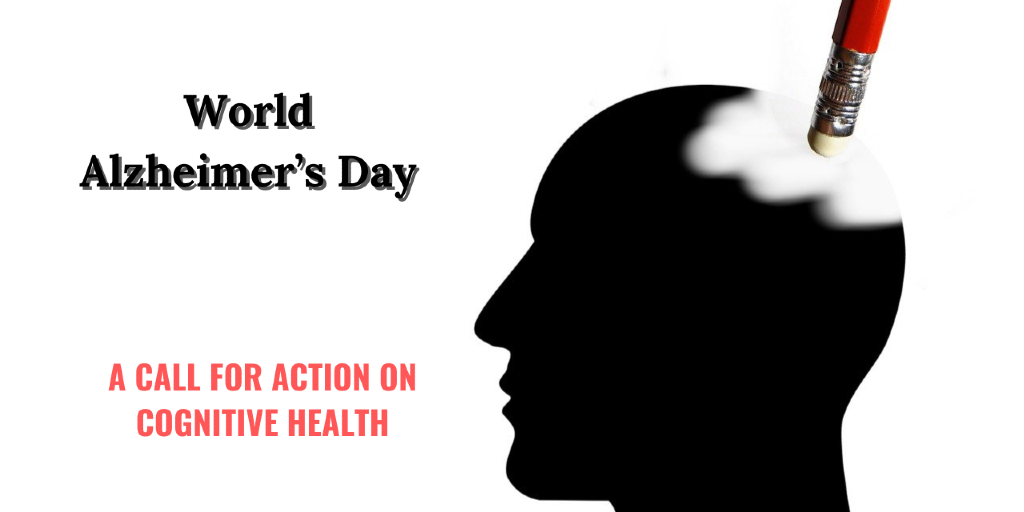
Every year, World Alzheimer’s Day on September 21st raises awareness of Alzheimer's disease and other forms of dementia, conditions that affect millions of people worldwide. As a global community, this day serves as a reminder to tackle the challenges that come with this progressive brain disorder and work towards finding solutions that improve the quality of life for both those living with Alzheimer's and their caregivers. For Vayah Vikas, an organization focused on the well-being of senior citizens, World Alzheimer’s Day is an opportunity to emphasize the importance of cognitive health and community support for older adults in India.
Understanding Alzheimer’s Disease
Alzheimer’s is a neurodegenerative disorder, characterized by the gradual loss of memory, cognitive functions, and behavioral changes. According to the Alzheimer’s Disease International (ADI), there are over 55 million people living with dementia globally, with Alzheimer’s accounting for up to 70% of these cases. In India, the burden of dementia is steadily rising, with nearly 5.3 million individuals estimated to be affected by 2023. As the aging population continues to grow, the prevalence of Alzheimer's is expected to increase further, with significant social and economic implications.
While there is no known cure for Alzheimer’s, early diagnosis, appropriate care, and support systems can help manage symptoms and improve quality of life. Importantly, it’s essential to dispel myths surrounding the disease, which is often mistaken as a normal part of aging.
Alzheimer’s in the Indian Context
In India, Alzheimer's is often misunderstood, with symptoms overlooked or attributed to normal aging. A lack of awareness, inadequate healthcare facilities, and social stigma make early diagnosis and treatment challenging. Many caregivers are unprepared for the responsibilities of looking after someone with Alzheimer’s, often leading to caregiver burnout. This lack of knowledge, combined with the stigma surrounding dementia, leads to delayed diagnoses and reduced access to specialized care. Additionally, the costs of care are high, placing immense financial stress on families.
At Vayah Vikas, we believe that community outreach, education, and capacity-building programs for caregivers can play a pivotal role in addressing these challenges. On World Alzheimer’s Day, we call upon policymakers, healthcare professionals, and society at large to support senior citizens by fostering an inclusive and dementia-friendly environment.
Actionable Steps for Alzheimer's Care
While research continues to unlock new insights into Alzheimer’s disease, there are several actionable steps that individuals, families, and communities can take to support those affected:
- Prioritize Cognitive Health Early
It is never too early to prioritize brain health. Incorporating cognitive exercises such as puzzles, learning new skills, or playing musical instruments can help delay the onset of Alzheimer’s. Physical activity, mental stimulation, and social engagement have been shown to reduce the risk of dementia. - Early Diagnosis and Intervention
Recognizing the early signs of Alzheimer’s — such as memory lapses, confusion, or difficulty performing everyday tasks — is crucial for timely diagnosis. Consult a healthcare professional if these symptoms appear. Early diagnosis allows access to treatments that can slow disease progression and provides an opportunity to plan for future care. - Create Dementia-Friendly Communities
Societies must foster environments that support individuals with Alzheimer’s. This includes raising public awareness, reducing stigma, and encouraging social interaction for those affected. Communities should organize inclusive activities that help individuals with dementia feel supported and included. - Caregiver Support Programs
Providing care for someone with Alzheimer’s is demanding. Caregivers often experience emotional and physical stress, and they require training and support. Community organizations can offer workshops on caregiving techniques, stress management, and the use of assistive technologies. - Advocate for Policy Change
Policy advocacy is crucial in improving dementia care across India. We need stronger health systems that incorporate Alzheimer’s diagnosis and care into mainstream medical services. Increased funding for research and accessible healthcare, particularly in rural areas, will be instrumental in addressing the growing dementia crisis.
Initiatives by Vayah Vikas
As part of our ongoing commitment to senior citizens, Vayah Vikas has launched several initiatives aimed at supporting individuals with Alzheimer's and their caregivers.
In collaboration with like-minded partners, we conduct webinars and workshops at Ekta Hub, our experience center, to educate people about fall prevention, another key concern for Alzheimer's patients. Our sessions on financial and digital literacy help families prepare for the economic aspects of long-term care, ensuring they have the tools needed to manage the financial burden that often accompanies Alzheimer’s.
Vayah Vikas, with AHPI, also advocates for geriatric hospitals and better healthcare infrastructure tailored to senior citizens' needs, with Alzheimer's care being a priority area. Our goal is to create an environment where senior citizens can age with dignity, despite cognitive health challenges.
Conclusion
World Alzheimer’s Day is a time to reflect on the impact of Alzheimer’s disease and the growing number of people it affects. However, reflection alone is not enough. It is crucial that we act. By prioritizing early diagnosis, supporting caregivers, and fostering dementia-friendly communities, we can make meaningful strides toward alleviating the challenges faced by those living with Alzheimer’s.
At Vayah Vikas, we are committed to continuing our efforts to support senior citizens and their families through education, healthcare, and community outreach. Together, we can create a future where Alzheimer’s is better understood, and where those affected can live full, dignified lives.
References:
- Alzheimer’s Disease International. (2023). World Alzheimer Report 2023.
- Dementia India Report 2020. (Alzheimer's and Related Disorders Society of India).
- World Health Organization. (2021). Risk reduction of cognitive decline and dementia.